
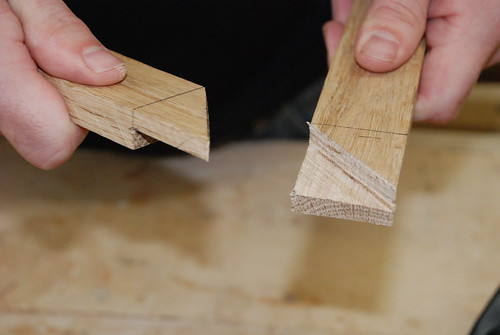
Woodworking skills are always in demand. Woodworking is a skill that can be practiced by almost anyone at a wide variety of skill levels. The following advice will help you better your woodworking skills.
You can make reusable sanding blocks. To do this, cut six blocks of wood from scrap plywood that is 3/4″ in diameter for each sandpaper grit. Be sure that the measurements are around two-and-a-half inches by four-and-three-quarters inches. Spray some adhesive on your blocks and on the cork tile. Stick one block to your cork and be sure to cut your cork flush using a utility knife. Apply a bit of adhesive to a sheet of sandpaper and place it onto the cork blocks facing down. At the end, trim the sandpaper and label each block.
Make your own sanding blocks. Create six blocks of the same size from some plywood. They should be 2.5″ by 4.75″. Spray adhesive is what you use on both the blocks and cork tile square. Use a utility knife to cut the cork flush after sticking a block to the cork. Spray adhesive on your sandpaper, and then stick it to every cork block, facing down. Trim your sandpaper so that it is even with the corks and label each block appropriately.
If you are going to be staining your project, test on a scrap of wood or an inconspicuous area. Testing first will give you an idea of how the stain will look on a real piece. You’ll get no unwelcome surprises later. Different woods can affect stains differently. Sometimes wildly different. Testing first is the best way to know what something will look like.
Always select the correct wood for your project. When thinking of work with wood, there are some pieces of wood that aren’t able to handle the stress other woods can. If you don’t know how different types of wood will work, spend time learning about both the wood and the project you wish to complete.
Try out some gel stain next time you are staining furniture items. Liquid stains tend to run when they are applied, while gel stains stick to the lumber better. Additionally, because gel stains are thicker the pigment remains consistent throughout the application allowing for more even staining on horizontal and vertical pieces.
Add a stair gauge to the shop that you create. They not only assist with stair jack layouts, but can also be used when your carpenter’s square needs to be clamped. This will make them into guides for a circular saw. When you use the square, every cut will be perfect.
Don’t guide your saw with your fingers when cutting narrow pieces of wood. Instead you should use a thin and long strip of wood get push it through your saw. This will ensure that you keep all ten of your fingers, which are all necessary for you to continue working with wood.
Keep a ruler inside your pocket, and make sure it stays put. Get yourself a ruler made of metal and put it in the pocket where you store your telescoping magnet. The magnet will keep both objects securely in place.
Try dry fitting wood before you glue it. Adjusting your wood after applying glue can cause damage to your project. A dry fitting will give you some idea of where each component goes.
Know about the different kinds of wood you use, and the characteristics of each. No two pieces of wood are alike. Wood varies in how they take to staining. Different cuts will have different effects on splintering. There will also be a wide range of grains. You need to factor all of this into your project.
It’s great to have a small ruler inside your pocket, but it might fall out if you have to bend. If you purchase a metal ruler, you can keep it in your pocket with a telescoping magnet. This magnet helps you keep the objects together and in your pocket.
It is not surprising that woodworking hobbies and skills have withstood the tests of time. A need for skilled woodworkers has always been there. From novices to pros, the tips below will be priceless.
If your door hinges are loose, you can use a golf tee to fix them. Put the golf tee in the screw hole to prevent wiggling. Get rid of the excess part of the tee by cutting it and put the door back up. The golf tee gives the screw something to bite into.
Do you want to expand your knowledge base on St Abans Handyman Plumbing? Here, you will find exactly what you need. In this article, we have shared some great St Abans Handyman Plumbing information that you can use every day. This article contained all the information you need, including tricks, tips and curious facts.
It's Not That Difficult To Get Into Woodworking
Woodworking skills are always in demand. Woodworking is a skill that can be practiced by almost anyone at a wide variety of skill levels. The following advice will help you better your woodworking skills.
You can make reusable sanding blocks. To do this, cut six blocks of wood from scrap plywood that is 3/4″ in diameter for each sandpaper grit. Be sure that the measurements are around two-and-a-half inches by four-and-three-quarters inches. Spray some adhesive on your blocks and on the cork tile. Stick one block to your cork and be sure to cut your cork flush using a utility knife. Apply a bit of adhesive to a sheet of sandpaper and place it onto the cork blocks facing down. At the end, trim the sandpaper and label each block.
Make your own sanding blocks. Create six blocks of the same size from some plywood. They should be 2.5″ by 4.75″. Spray adhesive is what you use on both the blocks and cork tile square. Use a utility knife to cut the cork flush after sticking a block to the cork. Spray adhesive on your sandpaper, and then stick it to every cork block, facing down. Trim your sandpaper so that it is even with the corks and label each block appropriately.
If you are going to be staining your project, test on a scrap of wood or an inconspicuous area. Testing first will give you an idea of how the stain will look on a real piece. You’ll get no unwelcome surprises later. Different woods can affect stains differently. Sometimes wildly different. Testing first is the best way to know what something will look like.
Always select the correct wood for your project. When thinking of work with wood, there are some pieces of wood that aren’t able to handle the stress other woods can. If you don’t know how different types of wood will work, spend time learning about both the wood and the project you wish to complete.
Try out some gel stain next time you are staining furniture items. Liquid stains tend to run when they are applied, while gel stains stick to the lumber better. Additionally, because gel stains are thicker the pigment remains consistent throughout the application allowing for more even staining on horizontal and vertical pieces.
Add a stair gauge to the shop that you create. They not only assist with stair jack layouts, but can also be used when your carpenter’s square needs to be clamped. This will make them into guides for a circular saw. When you use the square, every cut will be perfect.
Don’t guide your saw with your fingers when cutting narrow pieces of wood. Instead you should use a thin and long strip of wood get push it through your saw. This will ensure that you keep all ten of your fingers, which are all necessary for you to continue working with wood.
Keep a ruler inside your pocket, and make sure it stays put. Get yourself a ruler made of metal and put it in the pocket where you store your telescoping magnet. The magnet will keep both objects securely in place.
Try dry fitting wood before you glue it. Adjusting your wood after applying glue can cause damage to your project. A dry fitting will give you some idea of where each component goes.
Know about the different kinds of wood you use, and the characteristics of each. No two pieces of wood are alike. Wood varies in how they take to staining. Different cuts will have different effects on splintering. There will also be a wide range of grains. You need to factor all of this into your project.
It’s great to have a small ruler inside your pocket, but it might fall out if you have to bend. If you purchase a metal ruler, you can keep it in your pocket with a telescoping magnet. This magnet helps you keep the objects together and in your pocket.
It is not surprising that woodworking hobbies and skills have withstood the tests of time. A need for skilled woodworkers has always been there. From novices to pros, the tips below will be priceless.
If your door hinges are loose, you can use a golf tee to fix them. Put the golf tee in the screw hole to prevent wiggling. Get rid of the excess part of the tee by cutting it and put the door back up. The golf tee gives the screw something to bite into.
Do you want to expand your knowledge base on St Abans Handyman Plumbing? Here, you will find exactly what you need. In this article, we have shared some great St Abans Handyman Plumbing information that you can use every day. This article contained all the information you need, including tricks, tips and curious facts.
-
http://stalbansservices.co.uk/its-not-that-difficult-to-get-into-woodworking-8/

No comments:
Post a Comment