
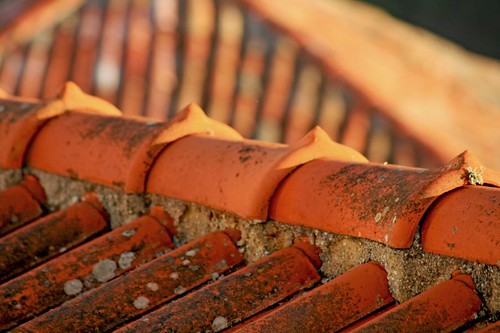
Do you have some “iffy” areas on your roof? Do you have weak spots on your roof? It is best to have a professional inspect your roof if you are not sure how to see if your roof is damaged or not. Responsible homeowners should learn how to properly care for their roofs. You will better be able to determine the condition of the roof and repair some problems before they are too big to do on your own.
Check out your roof yearly. Common seasons for roof damage are winter and spring. In that time make sure you keep an extra eye out for issues.
Avoid fixing your roof when things are icy, snowing or raining. This could cause injury and roofs are difficult to replace while moist. If you are doing your roof yourself, work on it when it is sunny and dry outside.
When fixing a leak, it’s important to do the job right the first time around. Do not stop after fixing one small area. It’s easier to find and take care of all current and potential leaks at once, rather than have to repeat the repairs a few months down the road.
Mow your lawn prior to having a contractor work on your roof. Having cut grass will help both you and the contractor find any nails that have fallen on the ground. Even if your contractor has a nail finder, it’ll work better with clipped grass.
Prior to the removal of your old roof, make sure your lawn is cut short. Major roof work will inevitably scatter some nails on your lawn, and close-cropped grass will make it easier for you or your contractor to recover them. If you get a contractor that has a nail finder with magnets on it, it will work better in shorter grasses.
References are critical when choosing a roofer or any other contractor. Whenever you check out these references, follow up on them by contacting them so you can ask them their opinions on the contractor’s work. Also, take some time to drive by the addresses. Walk or drive past the homes to check out the roof and, if homeowners are outside, stop to ask some questions.
If a local roofing salesman gives a high-pressure pitch, tell them no thank you, then show them the door. They’ll do anything to convince you to hire them to replace your roof, but you get the short end of the stick.
If a roofing salesman is giving you a high pressure pitch, tell him no thank you and show him out of your home. These unscrupulous people will stop at nothing to get you to sign a contract with them, and you always end up on the losing end, so stop them in their tracks.
You may have to do temporary repairs yourself. If a roofing contractor cannot get to your home quickly, a quick fix will do. A large roll of heavy plastic and nails is all it will take. This method is not the best way to address a leak, but it will buy you time while you wait.
By using the tips above, you are more knowledgeable about roofs. When you can recognize signs of problems and know how you can address them, you are prepared to keep your roof in tip-top shape. Treat the roof properly so that it can keep you safe for many years.
Don’t use band-aid solutions. While it may seem like a cheaper choice, it can actually result in more damage in the future, costing you a whole lot more money. It’s best to fix problems immediately, instead of letting them get worse.
Roofing Tips You Really Need To Try Out
Do you have some “iffy” areas on your roof? Do you have weak spots on your roof? It is best to have a professional inspect your roof if you are not sure how to see if your roof is damaged or not. Responsible homeowners should learn how to properly care for their roofs. You will better be able to determine the condition of the roof and repair some problems before they are too big to do on your own.
Check out your roof yearly. Common seasons for roof damage are winter and spring. In that time make sure you keep an extra eye out for issues.
Avoid fixing your roof when things are icy, snowing or raining. This could cause injury and roofs are difficult to replace while moist. If you are doing your roof yourself, work on it when it is sunny and dry outside.
When fixing a leak, it’s important to do the job right the first time around. Do not stop after fixing one small area. It’s easier to find and take care of all current and potential leaks at once, rather than have to repeat the repairs a few months down the road.
Mow your lawn prior to having a contractor work on your roof. Having cut grass will help both you and the contractor find any nails that have fallen on the ground. Even if your contractor has a nail finder, it’ll work better with clipped grass.
Prior to the removal of your old roof, make sure your lawn is cut short. Major roof work will inevitably scatter some nails on your lawn, and close-cropped grass will make it easier for you or your contractor to recover them. If you get a contractor that has a nail finder with magnets on it, it will work better in shorter grasses.
References are critical when choosing a roofer or any other contractor. Whenever you check out these references, follow up on them by contacting them so you can ask them their opinions on the contractor’s work. Also, take some time to drive by the addresses. Walk or drive past the homes to check out the roof and, if homeowners are outside, stop to ask some questions.
If a local roofing salesman gives a high-pressure pitch, tell them no thank you, then show them the door. They’ll do anything to convince you to hire them to replace your roof, but you get the short end of the stick.
If a roofing salesman is giving you a high pressure pitch, tell him no thank you and show him out of your home. These unscrupulous people will stop at nothing to get you to sign a contract with them, and you always end up on the losing end, so stop them in their tracks.
You may have to do temporary repairs yourself. If a roofing contractor cannot get to your home quickly, a quick fix will do. A large roll of heavy plastic and nails is all it will take. This method is not the best way to address a leak, but it will buy you time while you wait.
By using the tips above, you are more knowledgeable about roofs. When you can recognize signs of problems and know how you can address them, you are prepared to keep your roof in tip-top shape. Treat the roof properly so that it can keep you safe for many years.
Don’t use band-aid solutions. While it may seem like a cheaper choice, it can actually result in more damage in the future, costing you a whole lot more money. It’s best to fix problems immediately, instead of letting them get worse.
-
http://stalbansservices.co.uk/roofing-tips-you-really-need-to-try-out-4/

No comments:
Post a Comment